
Call us now :
 Send Inquiry
 Send Inquiry
Lighting Arrestors
Price 17500 INR/ Unit
MOQ : 01 Unit
Lighting Arrestors Specification
- Low Voltage
- Earth Potential
- Operating Temperature
- -40C to +70C
- Cooling Type
- Air Cooled
- Rated Voltage
- Up to 33 kV
- Dimension (L*W*H)
- Varies by rating; typically 350 x 80 x 80 mm
- Standard
- IS 3070/IEC 60099
- High Voltage
- Up to 33 kV
- Load Loss
- Negligible
- Capacity
- Standard/Custom
- Product Type
- Lighting Arrestor
- Material
- Porcelain Insulator, Metal Oxide
- Output
- Surge Protection
- Frequency (MHz)
- 50-60
- Efficiency
- High
- Phase
- Three Phase
- Usage
- Protection of electrical systems from lightning surges
- Coil Number
- Single
- Power Scope
- 5 kA to 20 kA
- Weight
- Approx. 3-8 kg
- Application
- Substations, Transmission, Distribution lines
- Insulation Level
- High
- Life Expectancy
- 10-15 Years
- Residual Voltage
- Standard as per IS/IEC
- Housing Type
- Porcelain/Polymer
- Color
- Grey
- Installation Type
- Outdoor/Indoor
- Discharge Class
- Class 1-3
- Mounting
- Vertical
- Maintenance
- Low
Lighting Arrestors Trade Information
- Minimum Order Quantity
- 01 Unit
- Main Domestic Market
- All India
About Lighting Arrestors
Lighting Arrestors refer to a circuit that is shielded against lightning strikes by a protective mechanism. By redirecting high voltage surges toward the earth, these devices are utilized to protect the electrical systems. Additionally, ground wire or earthing can shield these electrical systems and overhead headlines from lightning strikes. Apart from these, our provided Lighting Arrestors are tested under various industrial parameters to ensure their high performance. These devices are very effective as well as economical and safe to utilize.ï
Reliable Indoor & Outdoor Protection
Whether installed indoors or outdoors, these arrestors safeguard electrical infrastructures from damaging surges. Their vertical mounting supports flexible integration into substations and transmission or distribution lines, ensuring robust operation across variable environmental conditions.
Superior Construction and Performance
Manufactured with durable porcelain or polymer housings and high-grade metal oxide, Lighting Arrestors deliver high insulation levels and efficiency. Adhering to IS 3070 and IEC 60099 standards, each unit is rigorously tested to meet power protection requirements up to 33 kV.
Low Maintenance and Longevity
Engineered for minimal upkeep, these arrestors require little maintenance over their 10-15-year lifespan. The design ensures negligible load loss and is air cooled, maintaining optimal performance with high reliability in demanding operational environments.
FAQ's of Lighting Arrestors:
Q: How is a lighting arrestor installed, and what mounting options are available?
A: Lighting arrestors are typically installed in either indoor or outdoor settings, with vertical mounting being the standard method. They are positioned to protect electrical systems such as substations, transmission, and distribution lines from surges.Q: When should a lighting arrestor be used in electrical systems?
A: Lighting arrestors should be installed whenever electrical infrastructure, particularly in substations and transmission or distribution networks, is at risk of lightning-induced surges or overvoltages. Early installation helps maintain system reliability.Q: Where are these lighting arrestors most effectively applied?
A: These arrestors are most effective in high-voltage environments like substations, transmission, and distribution lines. Their adaptability allows for use in both indoor and outdoor settings, depending on system requirements.Q: What process should be followed to maintain a lighting arrestor?
A: Maintenance for these arrestors is generally low, involving periodic visual inspections to ensure the housing and connections are intact. Detailed checks can be aligned with routine substation or transmission line maintenance schedules.Q: What are the long-term benefits of installing a lighting arrestor?
A: Installing a lighting arrestor provides high-efficiency surge protection, significantly reducing the risk of damage to electrical systems. With a lifespan of 10-15 years and negligible load loss, they offer cost savings through reduced maintenance and improved equipment reliability.Q: How does the arrestor support varying voltage and current capacities?
A: Lighting arrestors are available in standard and custom capacities, supporting rated voltages up to 33 kV and discharge currents from 5 kA to 20 kA. This flexibility ensures compatibility with a wide range of electrical systems.Q: What standards do these lighting arrestors comply with?
A: All offered lighting arrestors conform to IS 3070 and IEC 60099 standards, guaranteeing their performance, safety, and quality for both domestic and international applications.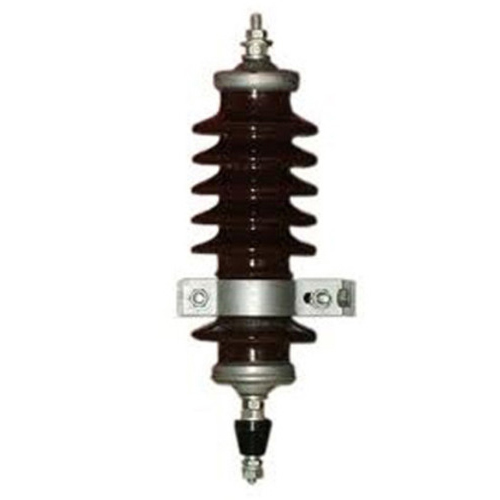
Tell us about your requirement

Price:
Quantity
Select Unit
- 50
- 100
- 200
- 250
- 500
- 1000+
Additional detail
Mobile number
Email

More Products in Electrical Transformers Category
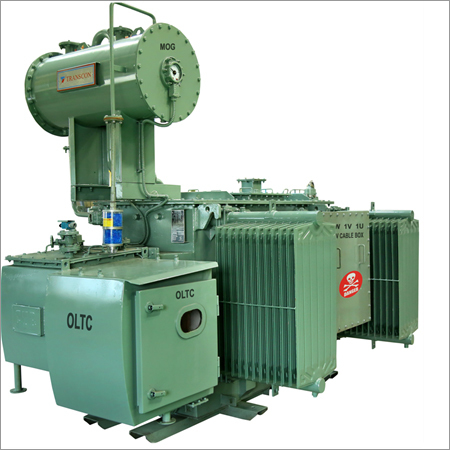
Three Phase Distribution Transformers Up to 2.5 MVA as per IS 1180
Price 959000 INR / Piece
Minimum Order Quantity : 01 Unit
Product Type : Other, Distribution Transformer
Frequency (MHz) : 50 Hz nominal
Usage : Power Distribution
Material : Copper / Aluminium
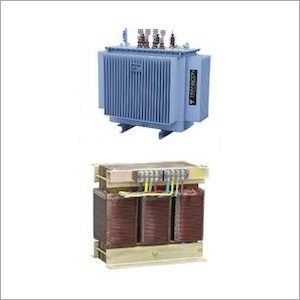
Special Designed Transformers
Price 550000 INR
Minimum Order Quantity : 01 , , Unit
Product Type : Other, Special Designed Transformers
Frequency (MHz) : 50/60 Hz
Usage : Industrial, Power Distribution, Control Panels, Custom Applications
Material : Copper Winding, High Grade Silicon Steel Core
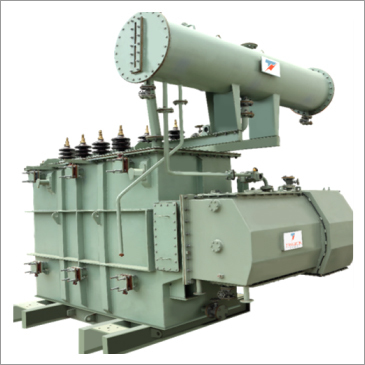
Power Transformers upto 10 MVA- 33 kV Class as per IS 2026 and IEC 60076
Price 959000 INR / Unit
Minimum Order Quantity : 01 Unit
Product Type : Other, Power Transformer
Frequency (MHz) : 50 Hz
Usage : Industrial/Utility Power Distribution and Transmission
Material : Copper/Aluminium Windings with CRGO Silicon Steel Core
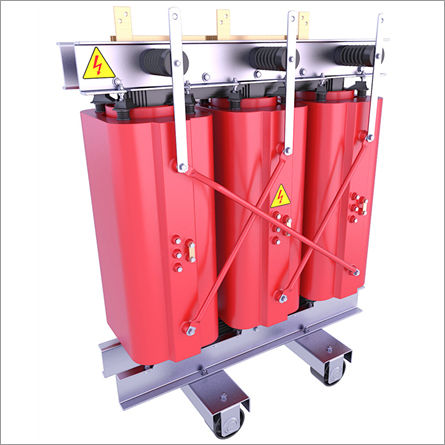
Cast Resin Dry Type Transformers
Price 550000 INR
Minimum Order Quantity : 01 Unit
Product Type : Other, Cast Resin Dry Type Transformer
Frequency (MHz) : 50/60 Hz
Usage : Electrical distribution and power supply in commercial, industrial, and utility installations
Material : Epoxy Cast Resin, Copper/Aluminium Windings, Silicon Steel Core

 Send Inquiry


SRT-345, Ground Floor, S.R. Nagar, Near Andhra Bank, Umesh Chandra Statue, Hyderabad - 500082, Telangana, India

Mr Narasimham Csvs
(Vice President - Marketing)
Mobile :+919394488567, +919440384000
 Send Inquiry
 Send SMS
 Call Me Free
Developed and Managed by Infocom Network Private Limited.
 English
 Spanish
 French
 German
 Italian
 Chinese (Simplified)
 Japanese
 Korean
 Arabic
 Portuguese